remmes and company logo

Search Boston Real Estate

Blog :: 2026

Buying a Charlestown Multifamily: The Owner-Occupant Playbook

alt tag

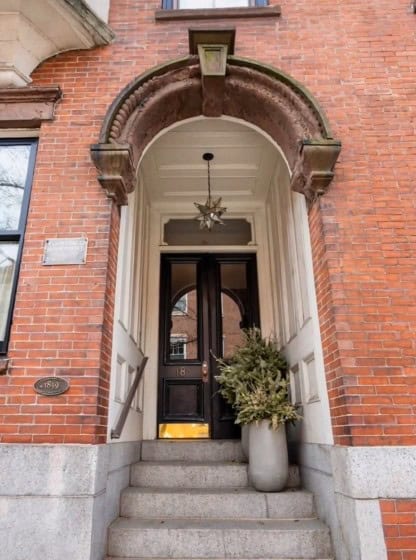
Short answer: A two- or three-family in Charlestown can be one of the smartest ways to own in Boston — you live in one unit while rental income from the others offsets your housing cost, and owner-occupant financing makes the math work better than most investors realize. The counterintuitive truth: the best multifamily for an owner-occupant is often not the one with the highest rent roll. It's the one where the numbers, the building condition, and the unit you'll actually live in all line up.

Charlestown vs. Back Bay vs. the South End: Where Your Dollar Actually Goes Furthest

alt tag

Short answer: For raw space and value per dollar, Charlestown often wins. For walk-everywhere central location and prestige, Back Bay leads. The South End sits in between — central character at a relative discount to Back Bay. The counterintuitive part: the "right" neighborhood isn't the most prestigious one your budget can reach; it's the one where your specific priorities — space, location, views, or character — get the best return on each dollar.

Is Charlestown a Good Investment? Why It's Really Two Markets in One

alt tag

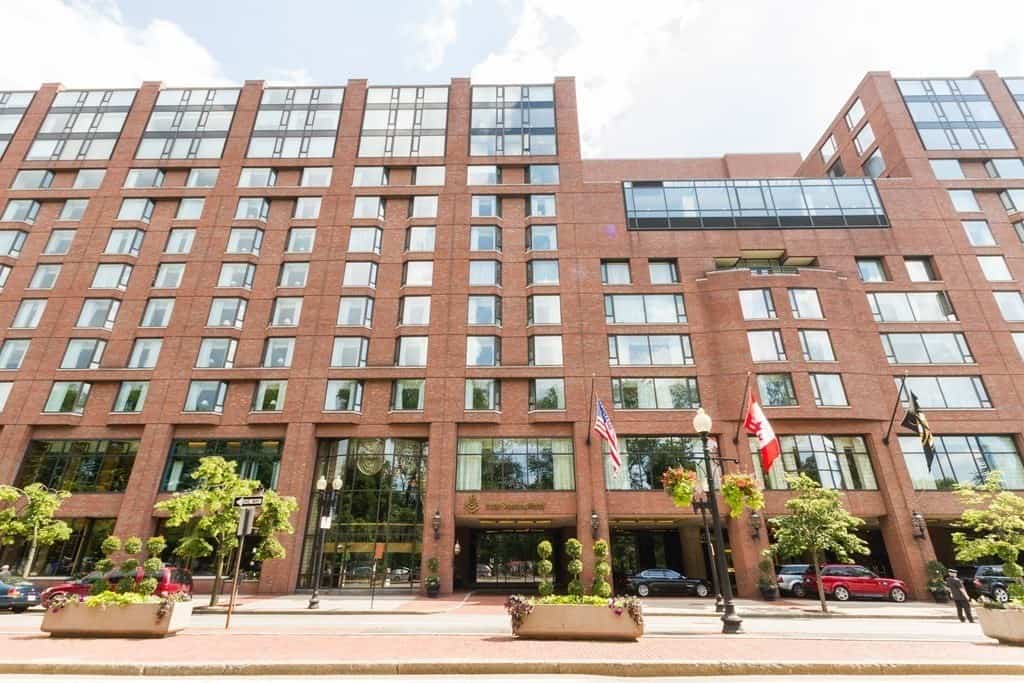
Short answer: Charlestown has a strong case, but only if you understand that "Charlestown" describes two different real estate markets sitting side by side: the waterfront Navy Yard — modern condos, harbor views, full-service buildings — and the historic district — Federal and Greek Revival rowhouses, narrow streets, tight inventory. They appreciate differently, attract different buyers, and carry different risks. The single biggest mistake here is treating Charlestown as one market and comparing the wrong comps.

The Back Bay Cost Most Buyers Underestimate — and It Isn't the Purchase Price

alt tag

Short answer: Buyers obsess over the sticker price and underweight the number that actually governs affordability: the monthly carrying cost. In Back Bay, condo fees, property taxes, and financing combine into a recurring figure that can vary enormously between two similarly priced units. And one lever — the Boston residential tax exemption — meaningfully reduces the tax bill for owner-occupants, yet plenty of buyers don't factor it in or forget to file for it.

Back Bay Street by Street: Where Prestige, Value, and Livability Actually Line Up

alt tag

Short answer: Back Bay's reputation lives on Commonwealth Avenue, but the "best" street depends on what you're optimizing for. Comm Ave carries the prestige premium. Marlborough offers quiet residential character. Beacon Street trades river views against busier traffic. Newbury and Boylston deliver energy and retail at the cost of noise. The counterintuitive takeaway: the prestige street is rarely the best value, and the best street for you is the one whose tradeoffs match how you actually live.

Is Back Bay Overpriced? Here's What the Data Actually Says

alt tag

Short answer: Back Bay is expensive, but "overpriced" is the wrong frame. The headline price-per-square-foot is high because the neighborhood bundles things buyers genuinely pay for — location, architecture, walkability, and full-service buildings. The real question isn't whether Back Bay is pricey; it's whether the specific unit you're looking at is priced correctly for its floor, light, and building services. That's where buyers overpay — not on the neighborhood, on the unit.

Why South End Garden-Level Condos Are Underrated — and How to Spot the Ones That Aren't

alt tag

Short answer: Garden-level (ground-floor) South End condos consistently sell below the upper floors of the same building — but a chunk of that discount is reflexive, not justified. For the right buyer, a garden-level unit with private outdoor space and good light is one of the best value plays in the neighborhood. The catch: a minority of them carry real moisture and light problems, and those are the ones the discount is actually for.

South End Brownstone Condos: What Buyers Get Wrong (and How to Get It Right)

alt tag

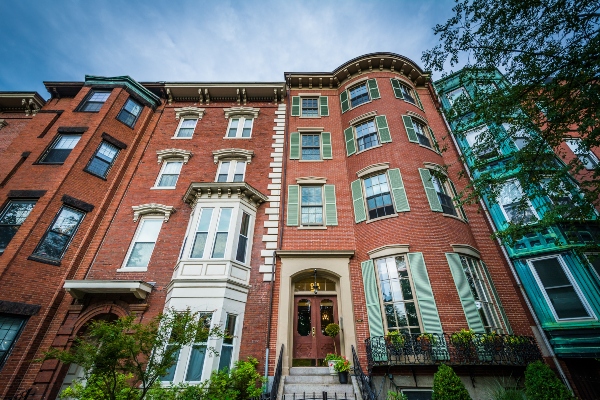
Short answer: Buyers fixate on the unit — the parlor ceilings, the bowfront windows, the chef's kitchen — and underweight the thing that actually determines their long-term cost: the building and its condo association. In a small South End conversion, the association's finances and the structure's deferred maintenance matter more to your wallet than the backsplash.

Is Boston's South End a Good Place to Buy? An Honest, Data-First Answer

alt tag

Short answer: For most buyers, yes — and the reason isn't the brownstones, the restaurants, or the tree-lined blocks everyone talks about. It's the price gap. The South End still trades at a meaningful discount per square foot to Back Bay and Beacon Hill while delivering the same proximity to the core of Boston. That gap is the opportunity, and it has been narrowing, not widening.

1-10 of 117 Posts