

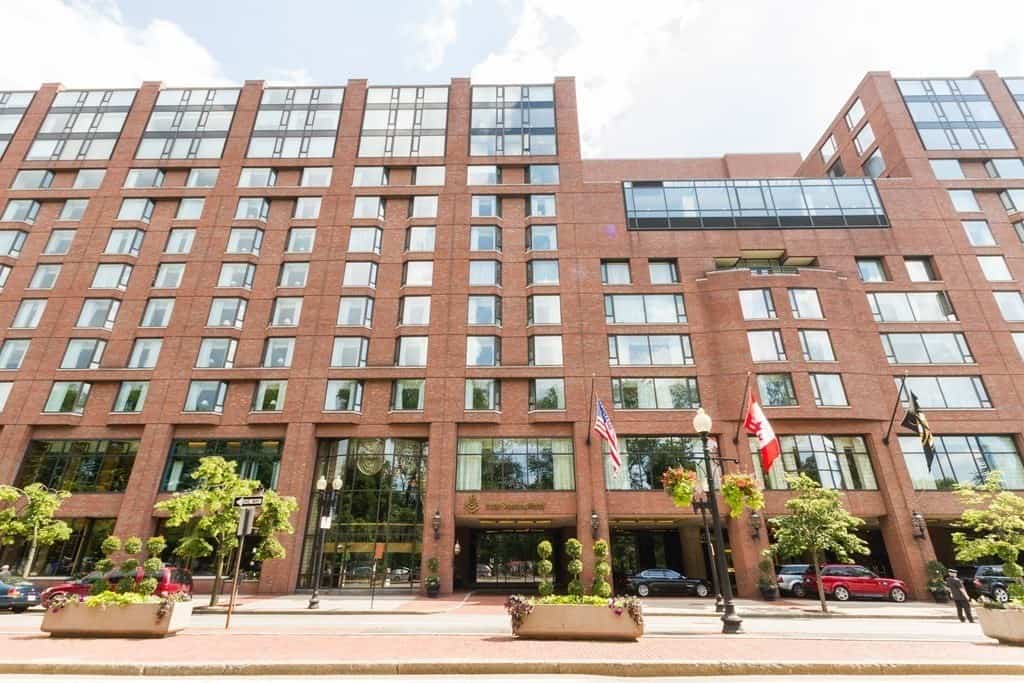
 Short answer: Buyers obsess over the sticker price and underweight the number that actually governs affordability: the monthly carrying cost. In Back Bay, condo fees, property taxes, and financing combine into a recurring figure that can vary enormously between two similarly priced units. And one lever — the Boston residential tax exemption — meaningfully reduces the tax bill for owner-occupants, yet plenty of buyers don't factor it in or forget to file for it.
Two units listed at the same price can cost hundreds of dollars a month apart once you account for fees, taxes, and the exemption. The price tells you the offer. The carrying cost tells you what you'll live with.
The three components of your real Back Bay cost
- Condo / HOA fees. Full-service buildings with doorman, garage, and gym carry higher monthly fees than smaller walk-up associations. Higher fees aren't automatically bad — they buy services and often fund reserves — but they're a permanent line item you should price as carefully as the mortgage.
- Property taxes. Boston levies property tax based on assessed value, and the bill scales with that assessment. In a high-value neighborhood like Back Bay, this is a substantial recurring cost.
- Financing. Your rate and down payment shape the largest piece of the monthly nut. Run the actual numbers, not a rule of thumb.
The lever buyers miss: the Boston residential tax exemption
Boston offers a residential tax exemption that reduces the taxable assessed value for homeowners who occupy the property as their primary residence. The effect is a lower annual property tax bill — but it generally must be applied for, and it's only available for owner-occupied homes, not investment units or second homes.
This matters in Back Bay specifically because high assessed values mean the exemption translates into a meaningful dollar savings for qualifying owner-occupants. Two identical units — one owner-occupied and claiming the exemption, one held as a pied-à-terre — carry different effective tax costs.
Exemption eligibility rules, deadlines, and savings amounts are set by the City of Boston and change over time — verify the current program details and filing deadline before relying on any figure.
Why this changes how you should shop
Once you price the full carrying cost, the "cheaper" listing isn't always cheaper:
- A lower-priced unit in a high-fee full-service building may cost more monthly than a higher-priced unit in a lean association.
- An owner-occupant claiming the residential exemption faces a different effective cost than an investor buyer eyeing the same unit.
- A unit with high fees that fully fund reserves can be a better long-term value than a cheap-fee building heading toward special assessments.
A simple framework
Before you anchor on price, build the monthly stack for each unit: mortgage + condo fee + property tax (net of the exemption if you'll owner-occupy) + insurance. Compare that number across listings. It reorders the field more often than buyers expect.
FAQ
What is the Boston residential tax exemption? A reduction in the taxable assessed value of a home for owners who occupy it as their primary residence, lowering the annual property tax bill. It generally must be applied for and excludes investment and second-home properties.
Do I automatically get the residential exemption? No — it typically requires an application and owner-occupancy. Confirm the current process and deadline with the City of Boston.
Are Back Bay condo fees high? They vary widely. Full-service buildings carry higher fees for doorman, garage, and amenities; smaller walk-up associations are leaner.
What's the real monthly cost of a Back Bay condo? Add mortgage, condo fee, property tax (net of any exemption), and insurance. Two same-priced units can differ substantially once you total all four.
Want the full carrying-cost picture before you offer? Remmes & Co. runs the real numbers — fees, taxes, exemption, and all. Talk to Chris Remmes at (617) 398-0015 or chris@remmesco.com.