
remmes and company logo

Search Boston Real Estate

Blog :: 2026

The Quiet Killer in Boston Condo Listings: Why Fees, Not Prices, Are Eating Buyer Equity in 2026

alt tag

A Boston condo buyer in 2026 is making two purchases at once, and most are only looking at one.

The first purchase is the unit. That number is on Zillow. It is negotiable. It is also, increasingly, the smaller of the two financial commitments you are about to make.

The second purchase is a 30-year subscription to a condominium association's budget, with mandatory monthly payments, mandatory special assessments, and zero ability to opt out short of selling the unit. That second purchase is what is currently breaking buyers in older Boston buildings, and the listing price tells you nothing about it.


The MBTA Communities Act, Year Five: How Suburban Boston's Zoning Map Just Got Redrawn While Nobody Was Looking

alt tag

On January 29, 2026, the Massachusetts Attorney General did something that hadn't happened before in a state usually allergic to municipal confrontation: she sued nine towns at once.

Dracut. East Bridgewater. Halifax. Holden. Marblehead. Middleton. Tewksbury. Wilmington. Winthrop. All of them stand accused of refusing to do what 165 of 177 designated MBTA Communities have now done — adopt a single multifamily zoning district near transit, as required by a 2021 law signed by a Republican governor.

A 2026 Neighborhood-by-Neighborhood ROI Guide

alt tag

 Let me give it to you straight: Dorchester is still the single best place in Greater Boston to buy your first multi-family — if you know which block to buy on. The median Boston home price has crossed $837,000. The share of renter households in Greater Boston who can afford an entry-level home has been cut in half over the past five years. And yet, every week, our team closes Dorchester triple-deckers at prices that would buy a tired two-bedroom in Cambridge.

Beacon Hill Carriage Houses: The Smallest, Rarest, and Most Misunderstood Luxury Asset Class in Boston

alt tag

There are perhaps three dozen of them, and most people who live in Boston have walked past one without realizing what they were looking at. Beacon Hill's carriage houses — the low, often two-story structures originally built in the early-to-mid 1800s to stable horses and house staff for the great Mt. Vernon Street and Chestnut Street mansions — are now the rarest single-family asset class in the city. They trade infrequently, command prices that look insane on a per-square-foot basis, and operate under a layer of regulation that scares off all but the most committed buyers. They are also, for the right client, the most distinctive home you can own east of Manhattan.

The Pre-Approved Roof Deck: Boston Luxury's Quietest Six-Figure Differentiator

alt tag

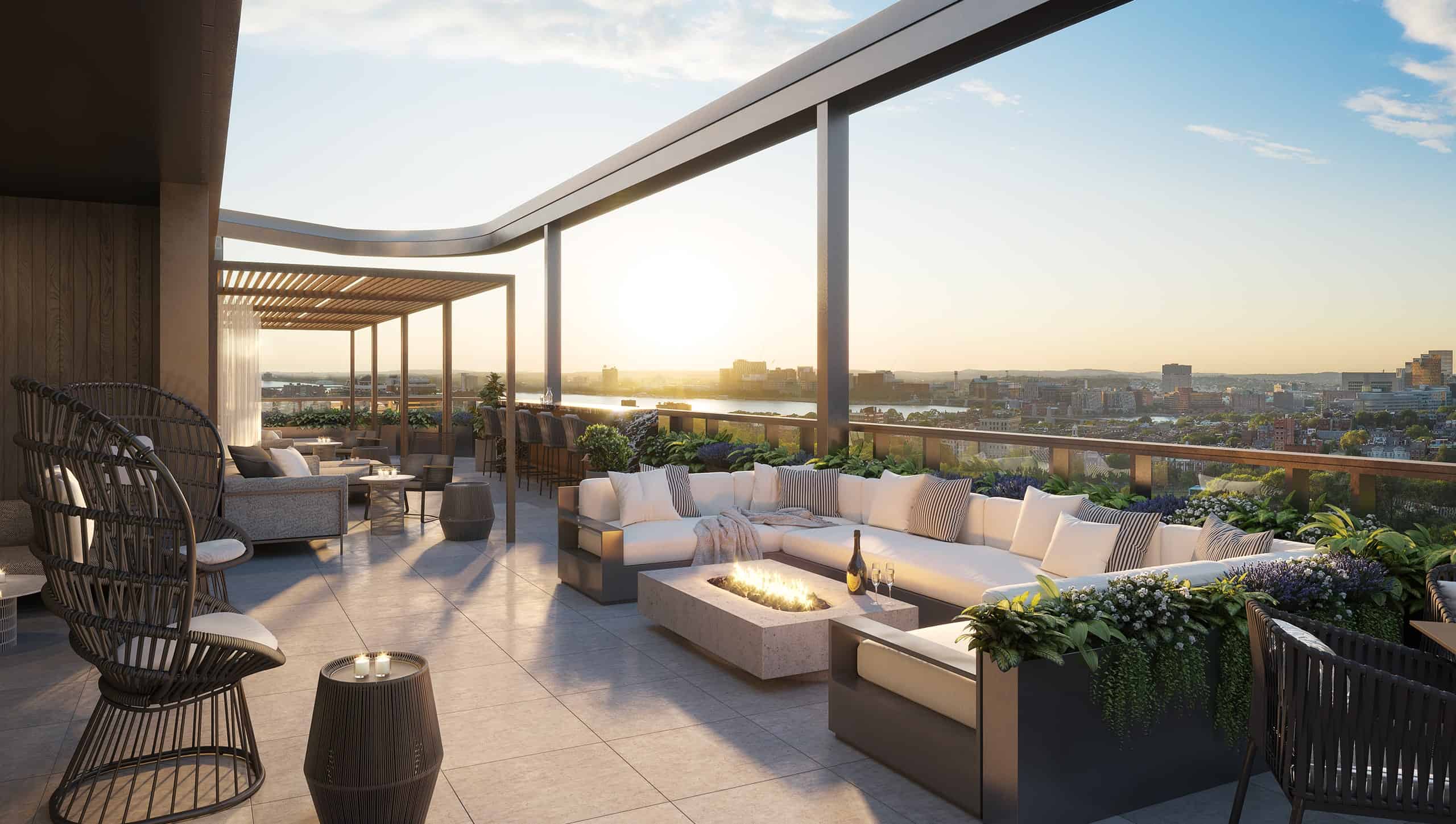
Walk through any South End brownstone listing or Back Bay penthouse and you'll see the same line item: "rooftop access" or "potential for roof deck." That word potential is doing an enormous amount of work. In Boston, a roof deck that already exists, is permitted, and has a certificate of occupancy is a fundamentally different asset than a roof you might one day be allowed to build on. The gap between the two is routinely $200,000 to $500,000 in real transaction value — and most buyers don't understand why until they try to build their own.

1-10 of 75 Posts