
 Short answer: Buyers fixate on the unit — the parlor ceilings, the bowfront windows, the chef's kitchen — and underweight the thing that actually determines their long-term cost: the building and its condo association. In a small South End conversion, the association's finances and the structure's deferred maintenance matter more to your wallet than the backsplash.
If you remember one thing from this guide: in a historic conversion, you're not just buying a condo. You're buying a fractional share of a 130-year-old building and the decisions of the four to eight other owners in it.
Why South End conversions are different
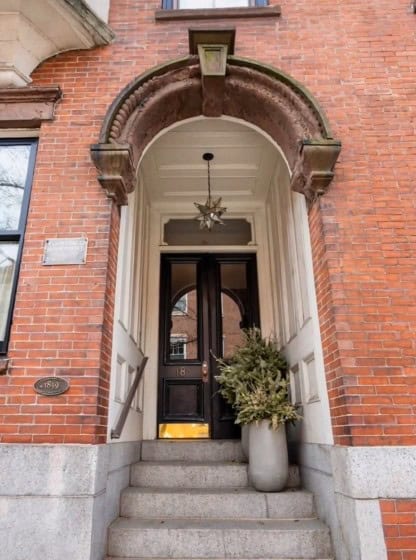
Most South End condos are not purpose-built buildings — they're Victorian-era rowhouses carved into a handful of units, often decades ago. That history is the charm. It's also the risk. Original masonry, slate or rubber roofs, antique plumbing stacks, and shared structural walls all age, and in a small association the cost of fixing them is split among very few owners.
A $40,000 facade repointing spread across 30 units is a rounding error. Spread across 5 units, it's a five-figure special assessment with your name on it.
The building checklist (do this before you fall in love)
- Reserve fund balance. Thin reserves in a small building are a red flag. Ask for the actual figure, not a reassurance.
- Recent and upcoming capital projects. Roof, masonry, windows, heating systems, and any facade work. Get dates and costs.
- Special assessment history. A pattern of assessments tells you the reserves aren't keeping pace.
- Owner-occupancy ratio. Heavily investor-owned small buildings can complicate financing and signal looser maintenance culture.
- The actual condo docs. Master deed, bylaws, and recent meeting minutes. The minutes are where the unspoken problems live — leaks, disputes, deferred votes.
Condition tiers: what you're really paying for
South End brownstone units roughly sort into three tiers, and the price-per-square-foot spread between them is wide:
- Fully restored / renovated — top of the market; you pay for someone else's work and risk.
- Solid but dated — the value sweet spot for many buyers; livable now, upside later.
- Project-grade — biggest discount, biggest variable; only worth it if you've priced the work honestly and the building's bones are sound.
The trap is paying tier-1 money for a tier-2 unit because the staging was good. Anchor your offer to comparable sales at the same condition tier, verified against MLS PIN — not to the glossiest listing on the block.
Condition-tier price spreads move with the market; confirm current comparable $/SF before pricing any tier.
The detail almost everyone misses
Garden-level and parlor-level units in the same brownstone can differ in value by a surprising margin — light, ceiling height, private outdoor space, and flood/moisture exposure all swing it. Two units in the same building are genuinely different assets. Don't let a per-square-foot average flatten that distinction.
FAQ
Are South End brownstone condos a good investment? They can be, but the building's financial health is as important as the unit. A great unit in a poorly funded association is a riskier buy than an average unit in a well-run one.
What are the biggest red flags in a South End condo association? Thin reserves, a history of special assessments, deferred masonry or roof work, and sparse or evasive meeting minutes.
How old are most South End condos? Most occupy Victorian-era rowhouses dating to the late 1800s, later converted into condominiums.
Should I get a unit inspection in a brownstone? Yes — and pay attention to shared systems and the building envelope, not just the interior, since those costs are shared and can be substantial.
Buying in the South End? Remmes & Co. reads the condo docs other agents skim. We'll help you separate a great unit from a great-looking one. Contact Chris Remmes at (617) 398-0015 or chris@remmesco.com.