
Boston in 2026 is a city caught mid-thaw. Mortgage rates have settled into a new normal in the 6 percent range, the speculative lab-building frenzy of the early 2020s is digesting itself, and the median single-family home now lists near $857,000


Boston in 2026 is a city caught mid-thaw. Mortgage rates have settled into a new normal in the 6 percent range, the speculative lab-building frenzy of the early 2020s is digesting itself, and the median single-family home now lists near $857,000
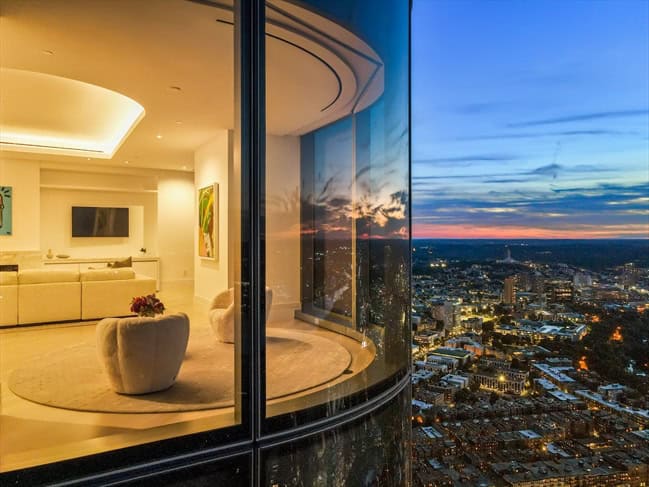
Some luxury features are loud. Marble counters. Designer lighting. Wine walls. Dramatic staircases. Oversized islands.
But some of the most valuable features in Boston luxury real estate are quiet.
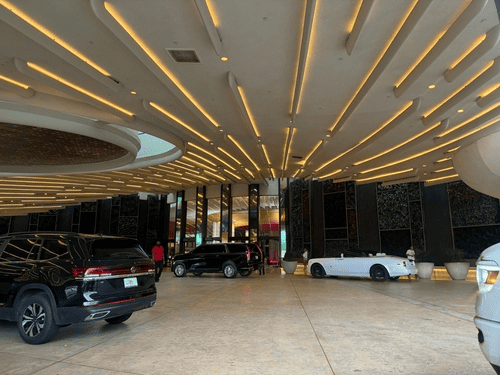
In Boston luxury real estate, some features are beautiful. Others are emotional. But a few features are so practical, so rare, and so difficult to replace that they can completely change the way buyers react to a property.

Every listing agent in Boston's luxury market has seen the same pattern accelerate over the last 18 months: offer accepted, buyer elated, inspection scheduled — and then, somewhere between days 8 and 12, the momentum evaporates.

If you're seriously shopping for a home above $2 million in Back Bay, Beacon Hill, the Seaport, Cambridge, or the western suburbs, you already know the market has shifted. Luxury inventory is sitting longer. Sellers who listed at 2023 peaks are quietly dropping asks. And well-prepared buyers are closing, on average, six figures under list price.

The real estate industry you remember isn't the one that exists today. Over the past few years — and accelerating dramatically in 2025 and 2026 — the business has consolidated at a pace that rivals what happened to local banks after the 2008 financial crisis.
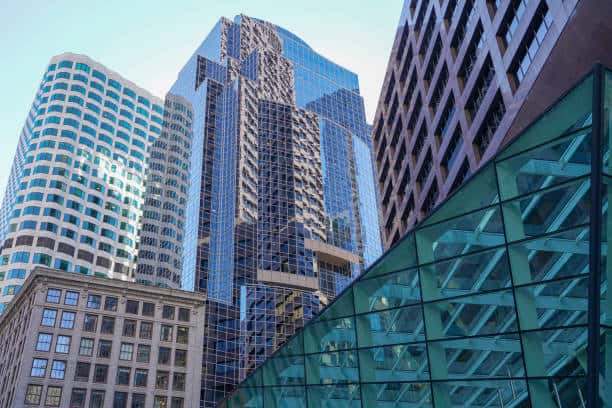
For the 32nd straight month, U.S. home prices hit a new year-over-year record. In March 2026, the national median existing-home price reached roughly $398,000, according to the National Association of Realtors
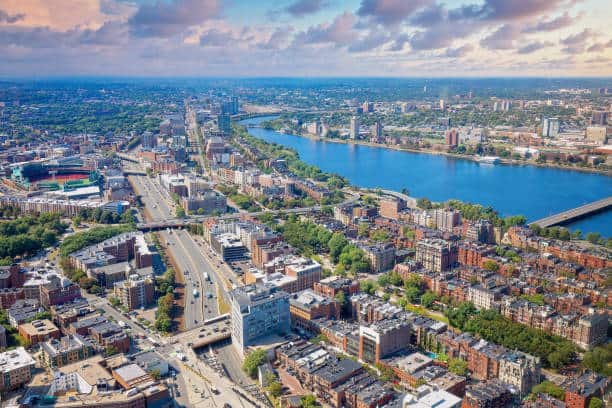
Boston's affordable housing crisis has reached an inflection point. More than half of Boston renters are now cost-burdened — paying over 30% of their income on housing — and one in four renters spends more than half of their entire paycheck on rent.
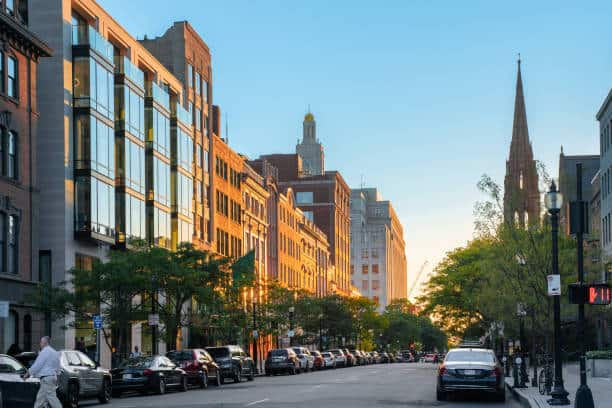
Boston's commercial real estate market enters 2026 in a phase of stabilization and strategic adaptation.
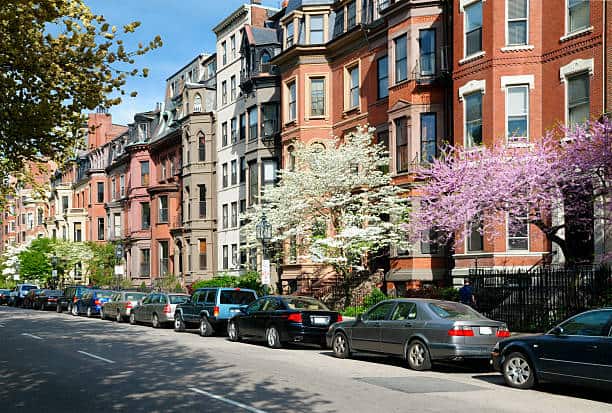
Back Bay continues to anchor Boston's luxury multifamily market in 2026, holding its reputation as one of the most expensive, supply-constrained, and investor-favored rental neighborhoods in the Northeast.