
If you want to understand the resilience of Boston luxury real estate, you start in Back Bay.


If you want to understand the resilience of Boston luxury real estate, you start in Back Bay.

After years of a stubborn standoff between buyers anchored to pandemic-era rate expectations and sellers locked into sub-3% mortgages, the Boston housing market is finally showing signs of life this spring.
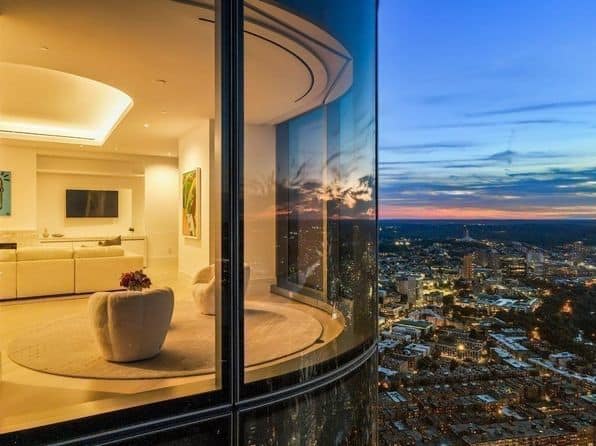
Stand on the Harborwalk in the Seaport on a sunny Tuesday and you're looking at one of the most expensive stretches of newly-built real estate in America. Vertex's headquarters. The luxury condos at Fan Pier. Lab buildings paying some of the highest rents in the country. Glass towers that didn't exist 20 years ago.
Here's a fact almost no one in Greater Boston real estate has internalized yet: when Massachusetts passed the Affordable Homes Act in 2024 and legalized accessory dwelling units (ADUs) by-right across the state, Boston was specifically excluded from the law.
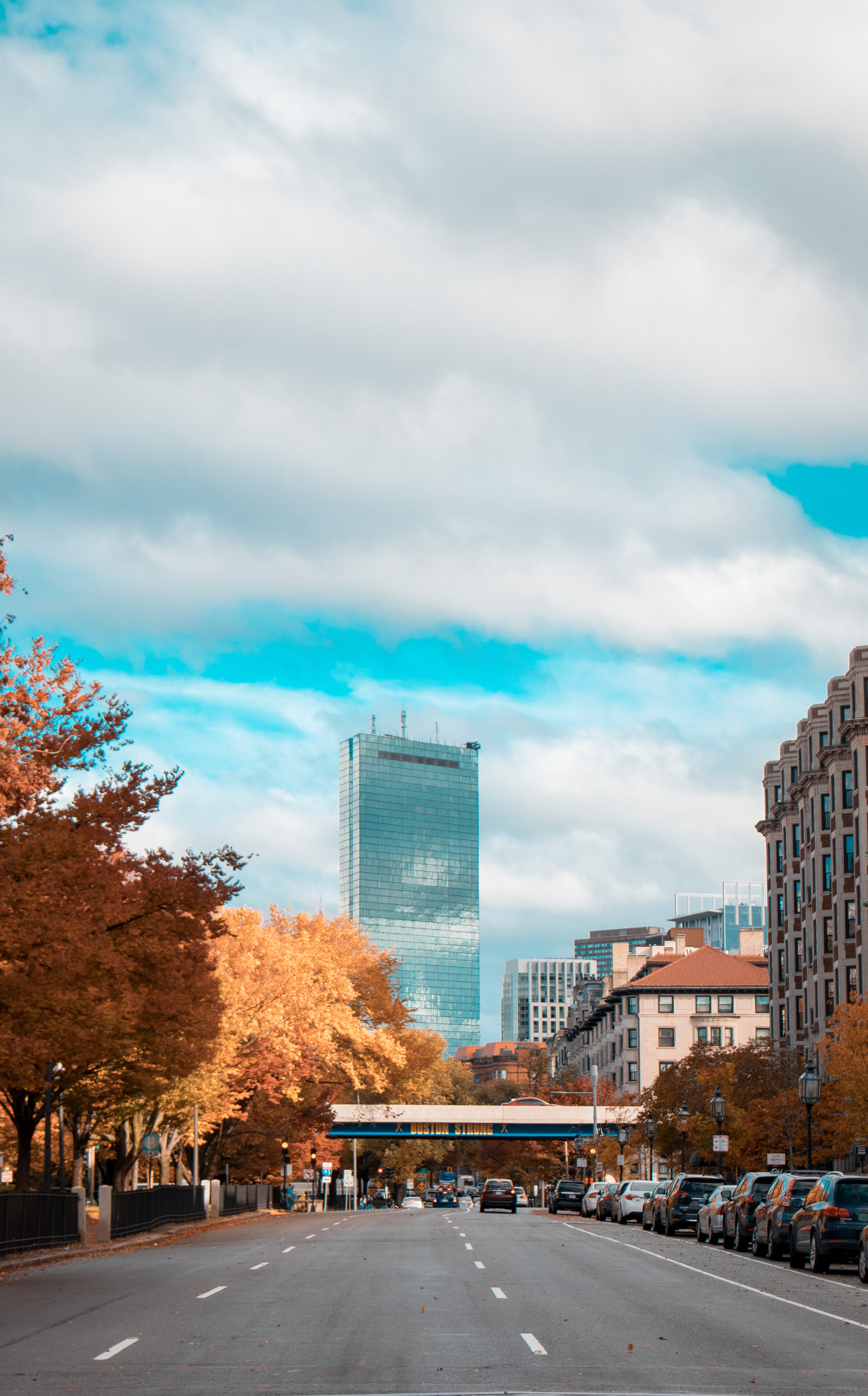
Walk down Franklin Street in the Financial District today and you'll pass a building most people don't realize is making history. 281 Franklin Street — once an unremarkable office tower — is now home to renters paying about $3,150 a month for studios.
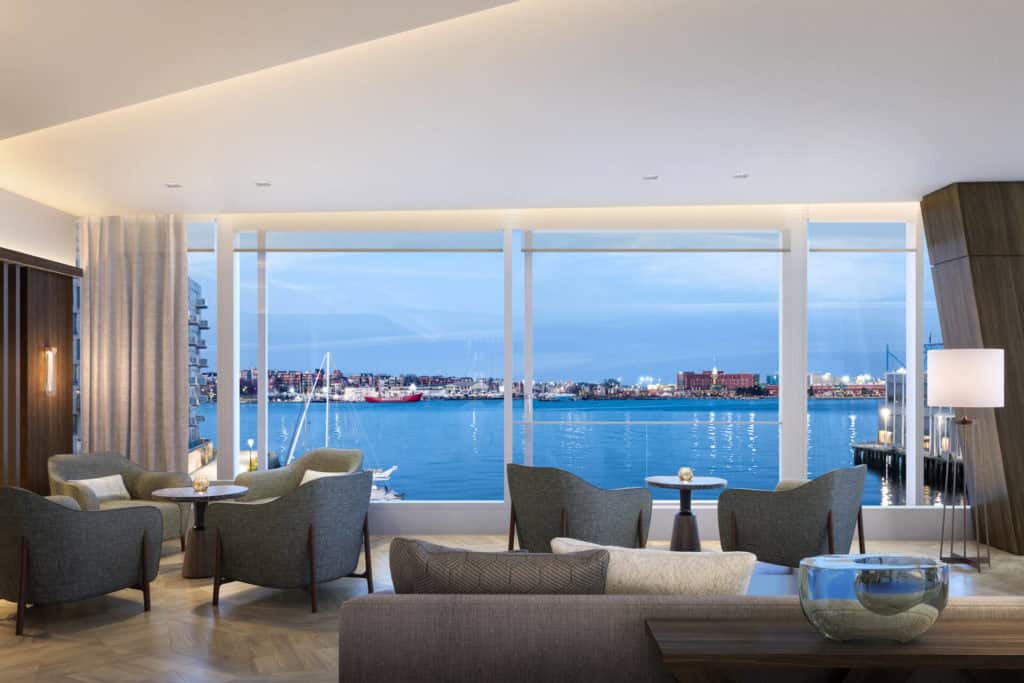
Two years ago, a couple I know bought a stunning two-bedroom luxury condo in the Seaport for $2.7 million. Floor-to-ceiling windows, harbor views, concierge, valet — the whole package. Eighteen months later, they got hit with a $160,000 special assessment, the building's reserve study revealed a $15 million facade repair, and condo fees jumped nearly 40%.

Last year, a buyer in the Back Bay paid $3.2 million for a brownstone she fell in love with on her first walkthrough. Six months later, she had spent another $400,000 just to make it livable. The painful part? Every dollar of that overage was avoidable.